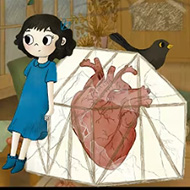
In To Eat a God, players step into a dreamlike Garden filled with mystery and hidden meaning. You control a delicate, puppet-like figure navigating an environment shaped by seven cryptic Symbols. Every choice, gesture, and interaction affects the world, creating a story that responds uniquely to your actions. Exploration, observation, and careful thought are essential to uncover the Garden’s secrets.
Discover the Seven Symbols
The Garden is inhabited by seven distinctive Symbols, each carrying its own philosophy and influence. Their behavior changes depending on how you interact with them, making every encounter unique. Players who watch carefully, experiment, and explore thoroughly can uncover secret paths, hidden dialogues, and alternative outcomes that bring depth and variety to the narrative.
- Unique Character Influence: Every Symbol shapes the story differently through its interactions.
- Responsive Environment: Objects and areas react dynamically to choices and actions.
- Hidden Hints: Subtle visual cues, recurring motifs, and small gestures offer guidance.
- Branching Narrative: Decisions impact which paths, events, and endings become available.
Gameplay Mechanics
To Eat a God emphasizes exploration, decision-making, and interpretation. Progress comes from engaging with dialogue, exploring the environment, and revisiting areas to see how the world reacts. Players are encouraged to experiment, observe patterns, and reflect on their choices, as careful attention often uncovers secrets and story variations.
- Observe Closely: Visual and textual details often contain critical information.
- Revisit Locations: Returning to earlier areas may unlock new interactions.
- Think Strategically: Minor decisions can influence major story developments later.
- Experiment Boldly: Trying alternative approaches can reveal hidden sequences and endings.
Features That Define the Game
To Eat a God combines atmospheric visuals, symbolic storytelling, and interactive depth. Multiple playthroughs offer new perspectives and discoveries, rewarding players who pay attention to detail and embrace curiosity.
- Multiple Endings: Player choices determine both subtle and major narrative outcomes.
- Immersive Dialogue: Interactions with Symbols reveal personalities and philosophies.
- Atmospheric Visuals: The Garden’s surreal design enhances immersion and tone.
- Exploration Rewards: Careful observation reveals hidden events and story layers.
Player Tips
- Stay Observant: Dialogue and visual cues may contain important clues.
- Follow Curiosity: Investigate unusual areas and options to uncover secrets.
- Replay Choices: Different decisions can unlock alternative storylines and endings.
- Analyze Symbol Behavior: Recognizing patterns helps predict responses and outcomes.
To Eat a God is an introspective, exploration-driven experience where every action matters. Players who approach the Garden thoughtfully will uncover a layered, symbolic story filled with discovery, mystery, and meaningful consequences, ensuring that each journey feels entirely unique.




















![Hello Kitty [HORROR] img](https://noimnotahumangames.com/wp-content/uploads/2026/08/hello-kitty-horror.jpg "Hello Kitty [HORROR]")